Agile Trainings
Team Trainings
Here you will find training packages that differ from what is typically offered in the IT training market. We do not offer open classroom trainings where employers send one or a few employees, focusing solely on individual development.
I have observed that software development teams actually need something different – they need to collectively solve specific problem areas as a team, and they often know what these are even before attending training. It is necessary to take time, learn some supporting theory, get practical examples of how other teams have successfully solved similar problems, and most importantly – find a solution path for their own team and progress together along it. This approach is the most effective for team development. Therefore, I focus on teams as a whole and have compiled three training packages with distinct objectives:
- foundational trainings – for introducing and opening up the topic of agility
- workshops – to address a specific topic
- role-specific trainings – for an in-depth understanding of a single role’s tasks
Foundational Trainings
Agility foundational trainings are introductory, comprehensive courses that provide a complete overview of a specific agility domain. These trainings are well-suited for team events, bootcamps, or simply as part of a team’s training day. Due to their broad thematic coverage, the objective of foundational trainings is to expand understanding of the agile world, offer inspiration and new ideas, and share practical examples.
Participants often feel after a foundational training that a more interesting topic was covered too briefly and wish to delve deeper into it. In such cases, a workshop training focused on a single topic can be chosen as the next step.
Agility and Product Owner foundational trainings are suitable for teams in all fields, while Scrum Master foundational training is primarily for IT teams.
Workshops
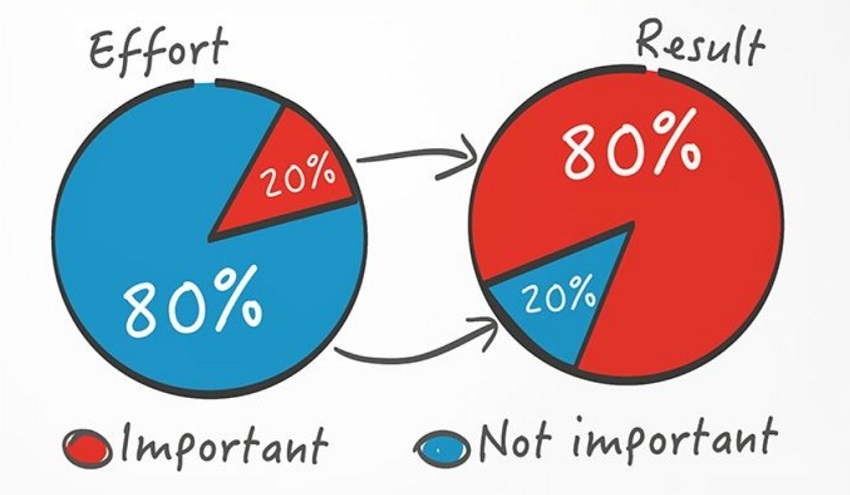
Team workshops focus on investigating and solving a problem encountered in daily work. They can also be called tailored trainings, as they consist of 80% team-based workshop activities and 20% supporting theory. Agile development workshops are primarily intended for software development teams, but some workshops are more general and suitable for use in all fields (e.g., Retrospective Meeting Workshop, Open Topic Workshop).
A workshop can be conducted during a team’s regular workday, where time is collectively dedicated to joint analysis and finding solutions. I facilitate the workshop by providing a suitable format, topic-related theory, methodologies, techniques, and practical examples. I propose various solution options to ensure the team has sufficient background information for finding its own solution path and making decisions.
If a suitable workshop is not found among the ready-made options, I can create a workshop according to the team’s specific needs.

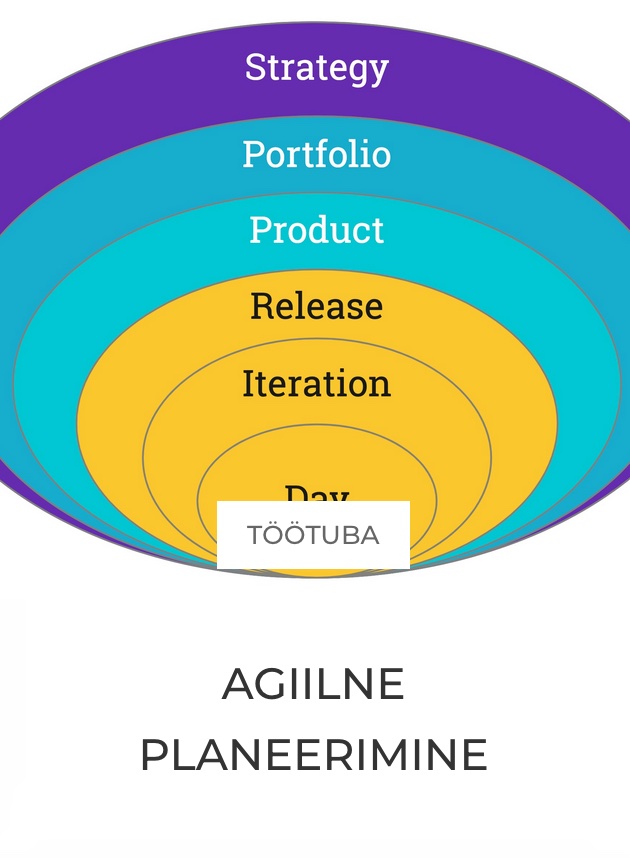

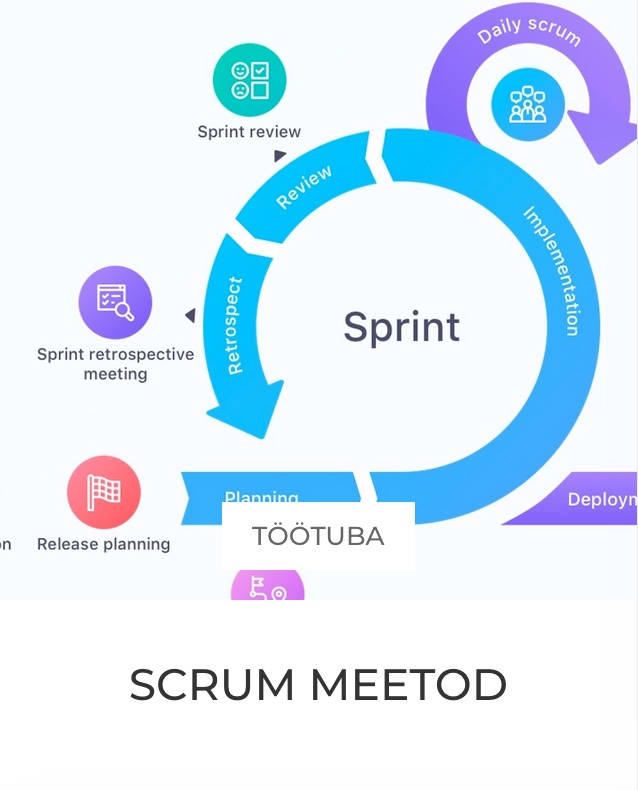


Agile development metrics (coming soon)
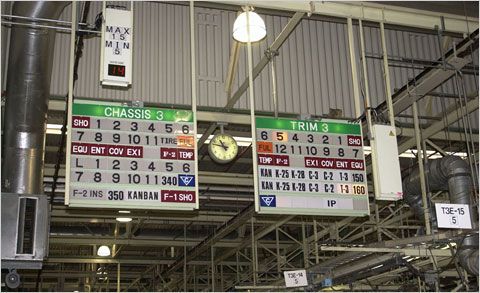
Kanban method (Coming soon)
Scope Control (Coming Soon)
Role-Specific Trainings
Role-specific trainings are in-depth knowledge and skills courses focusing on agile roles within a development team. Topics are covered thoroughly, and the training’s objective is to provide a comprehensive understanding of the tasks and responsibilities of the Product Owner (i.e., product owner) or Scrum Master role. The trainings include, as one topic, a substantive understanding of the benefits of the Scrum method and practicing Scrum implementation, but their content is universal and also suitable for users of other agile development methods.
Participants also receive practical advice regarding taking the Product Owner and Scrum Master certification exams and online practice tests; exam vouchers can also be ordered if desired.
Agile role trainings are intended for specialists in the software development field.

Send an internal training request:
Register for public training:
reasons to choose these trainings
1
Team trainings are intended for one team working together. Unlike hall trainings, where there are many different strangers together, I focus primarily on the development and relationships of one team. I prefer to conduct the training in the client's premises and in a regular working environment, so that all participants feel comfortable and are in a familiar environment.
Agility trainings focus on the needs of one team and provide many times more value compared to general in-person training.
2
All people like to play games, it brings out their natural desires to socialize, express themselves and cooperate. Playfulness and visualization help people better understand the current situation, relate to each other and make decisions. Playfulness helps to create an open and safe atmosphere where people are motivated to develop, give honest feedback and focus on cooperation.
The training workshops use game techniques and special playing cards to achieve results, involving all team members equally and providing an opportunity to strengthen the relationships between team members.
3
Any team that wants to become more agile in its daily work and decisions needs to ask itself from time to time:
- How agile is our team? How agile am I?
- In which direction would we like to become more agile? Why? What benefits does it bring us?
- What can we do to achieve this? What are our next steps?
The Agile workshop helps the team find answers to these questions.
4
Agile methods and frameworks like Scrum, Kanban, XP, or LeSS won't tell you a miracle recipe on how to increase your agility. They offer different practices, roles, activities and the structure that binds them together, but they are not ready-made recipes that can be used one-on-one. Every team is different and needs its own recipe, i.e. a suitable methodology.
The workshops help to find an agile development methodology that suits the team and provide a specific action plan on how to increase your agility.
5
The basics of agile say that every individual and every team must find their own path to agility. To do this, you need to regularly analyse the current situation and find the right directions in which you need to develop further. It is important that such an assessment is not carried out by an external consultant, but that the team assesses itself.
The workshops are structured in an open format, giving the team the skills and tools to conduct similar workshops in the future and thus constantly develop further.

Every new contact is an opportunity for new and exciting collaboration - write or call me, and let's discuss how I can help you.
The first consultation and proposal are always free.